Category: Probate Articles
-

Ancillary Probate: Benefits, Risks, and Alternatives
Ancillary probate is a second, separate probate case you open in any state where the deceased owned real estate or other titled property, apart from the state where they lived (the domiciliary state). It exists because each state controls property inside its own borders, so an out of state executor typically cannot sell or transfer…
-

Probate Without A Lawyer: Step‑by‑Step Process
Probate without a lawyer is possible for many simple estates, especially small ones with a clear will, cooperative heirs, and few debts. You take on the tasks a probate attorney would normally handle: filing court forms, notifying creditors, and distributing assets, following your state’s specific requirements at each step. This guide explains how to navigate…
-

Grant of Probate: What It Is and When You Need It
A grant of probate is the court’s official confirmation that a will is valid and its executor has legal authority to act. In the United States, that authority arrives as Letters Testamentary, the American equivalent of a UK grant of probate. You need it before accessing accounts, transferring property, or paying debts. Ready to make…
-

Probate Court Forms
Probate court forms are the official paperwork courts use to open, manage, and close an estate case, covering everything from the initial petition to letters of administration and final accounting. Requirements vary by state, but most courts organize forms by category: petitions, notices, inventories, and guardianship or conservatorship filings. Whether you are handling a loved…
-

Probate Judge: What Does It Mean?
A probate judge is the judicial officer who oversees estate cases in probate court, confirming a will’s validity, appointing an executor or administrator, and resolving disputes among heirs, beneficiaries, and creditors. When someone dies without a will, the judge applies the state’s default intestacy rules to decide who inherits. Because estate matters often involve strong…
-

What Is Probate Court and How Does It Work?
Probate court is the specialized court that manages a deceased person’s affairs, confirming the will is valid, overseeing debt payments, and supervising the distribution of remaining assets to heirs and beneficiaries under state law. It also appoints the executor or administrator and resolves any disputes that arise during the process. The clearest way to make…
-

What is uniform probate code and where can you find it?
The Uniform Probate Code, or UPC, is a model law drafted by the Uniform Law Commission to standardize how states handle wills, intestate succession, and estate administration. States may adopt all, part, or none of it, so it functions as a widely referenced template rather than a binding federal law. Regardless of whether your state…
-
Probate Real Estate Definition: Complete Guide
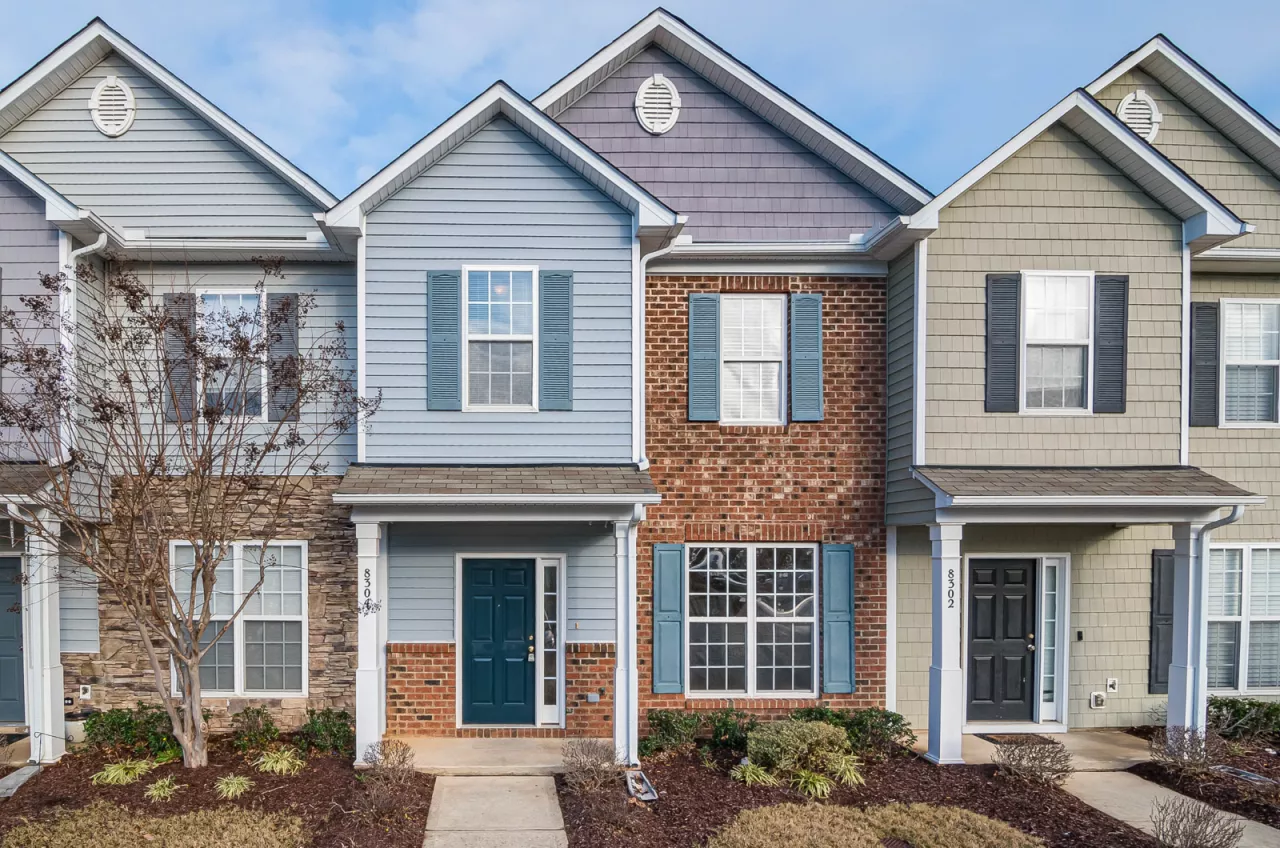
Probate real estate is property owned solely by a deceased person that must pass through the probate process before it can be legally sold or transferred to heirs. It stays part of the estate, under court oversight, until debts and taxes are resolved and a judge authorizes distribution. Whether you are an executor, heir, beneficiary,…
-

Letter of Probate: What is it and how to write it?
A letter of probate is a court-issued document that gives an executor or administrator legal authority to manage a deceased person’s estate, including bank accounts, real estate, and debts. Courts grant it after reviewing the will and death certificate. Without it, banks and other institutions will not release estate assets. If you have been named…
-
How to probate a will? All you need to know
Probating a will costs money, takes months to years, and can be contested by anyone with a legal interest in the estate, but most estates get through it without a fight. This guide assumes you already understand the basic filing-to-distribution sequence and goes deeper on what actually drives cost, timeline, disputes, and the alternatives that…