Category: Estate Planning
-

Estate Planning in New Hampshire
New Hampshire charges no state estate tax and no inheritance tax, so most families only need to plan around the federal estate tax, which applies above $15 million per person in 2026. A valid New Hampshire will must be signed by the testator and by two credible witnesses who sign at the testator’s request. A…
-

Estate Planning in New Jersey
New Jersey repealed its state estate tax for deaths on or after January 1, 2018, but it still charges an inheritance tax that depends entirely on how closely a beneficiary is related to the deceased. A valid New Jersey will must be signed by the testator and by two witnesses. Because New Jersey’s inheritance tax…
-

Estate Planning in Nevada
Nevada charges no state estate tax and no inheritance tax, so most families only need to think about the federal estate tax, which applies above $15 million per person in 2026. A valid Nevada will must be signed by the testator and attested by two competent witnesses who watch the signing in person. A complete…
-

Estate Planning in Nebraska
Nebraska has no state estate tax, but it is one of a handful of states that still charges an inheritance tax, collected by each county and based on how closely a beneficiary is related to the deceased. A valid Nebraska will must be signed by the testator and witnessed, and can also be made self-proved…
-
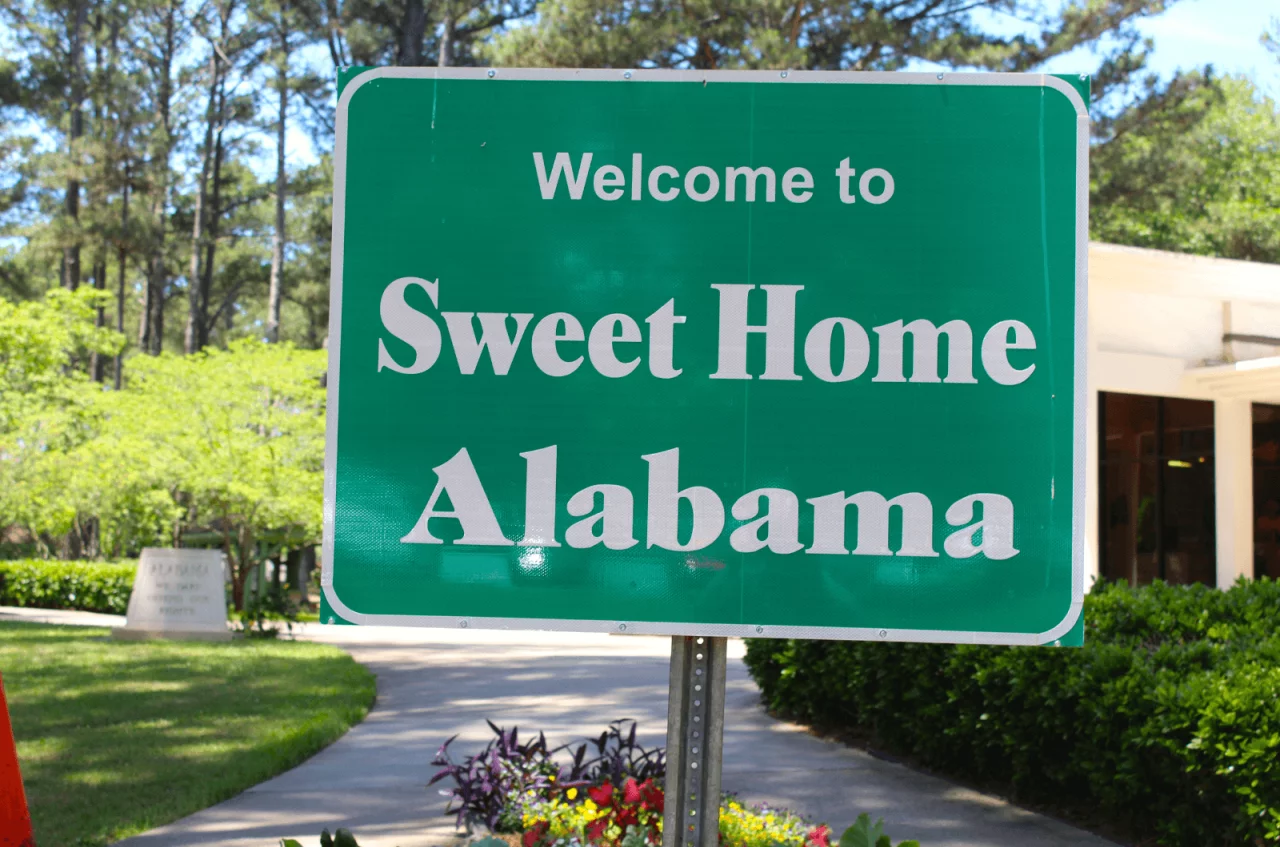
Estate Planning in Alabama
Alabama charges no state estate tax and no inheritance tax, so most families only need to think about the federal estate tax, which applies above $15 million per person in 2026. A valid Alabama will must be in writing, signed by the testator, and witnessed by at least two people. A complete Alabama estate plan…
-

Estate Planning in Montana
Montana charges no state estate tax and no inheritance tax, so most families only need to plan around the federal estate tax, which applies above $15 million per person in 2026. Montana also offers a transfer-on-death deed, a simple way to pass real estate directly to a beneficiary without probate. A complete Montana estate plan…
-

Estate Planning Missouri
Missouri has no state estate tax and no inheritance tax, so beneficiaries owe nothing to the state. Estates valued at 40,000 dollars or less, after debts and liens, can often skip full probate using a small estate affidavit under RSMo 473.097. A will still needs to be signed and witnessed by two people under RSMo…
-
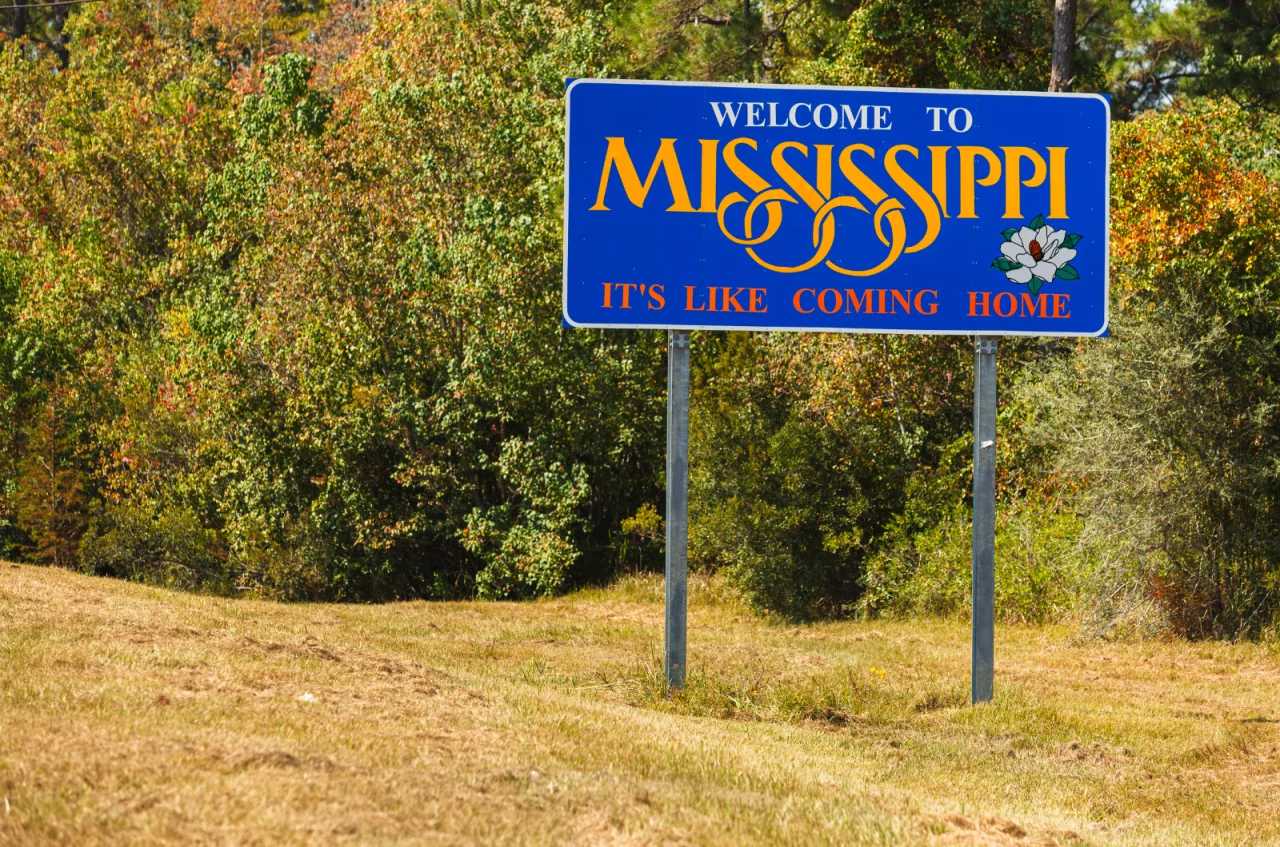
Estate Planning Mississippi
Mississippi has no state estate tax and no inheritance tax, so beneficiaries owe nothing to the state on what they receive. A valid will requires the testator to be at least 18, of sound mind, and generally signed and witnessed by two credible people under Mississippi Code section 91-5-1. Whether you have lived in the…
-

Estate Planning Michigan
Michigan has no state estate tax and no inheritance tax, so your heirs owe nothing to the state on what they receive. A valid will must be in writing, signed, and witnessed by two people under MCL 700.2502, though Michigan also recognizes handwritten wills without witnesses under certain conditions. Without a will, Michigan’s intestacy statute…
-

Estate Planning Minnesota
Minnesota taxes estates worth more than 3,000,000 dollars, at rates from 13 to 16 percent on the amount above that threshold, and unlike the federal system, a deceased spouse’s unused exemption does not carry over to the survivor. A will still needs proper signatures and witnesses, and smaller estates may qualify for a simplified affidavit…